Inclusive Communication for All: Lessons from “Why Choice Matters”

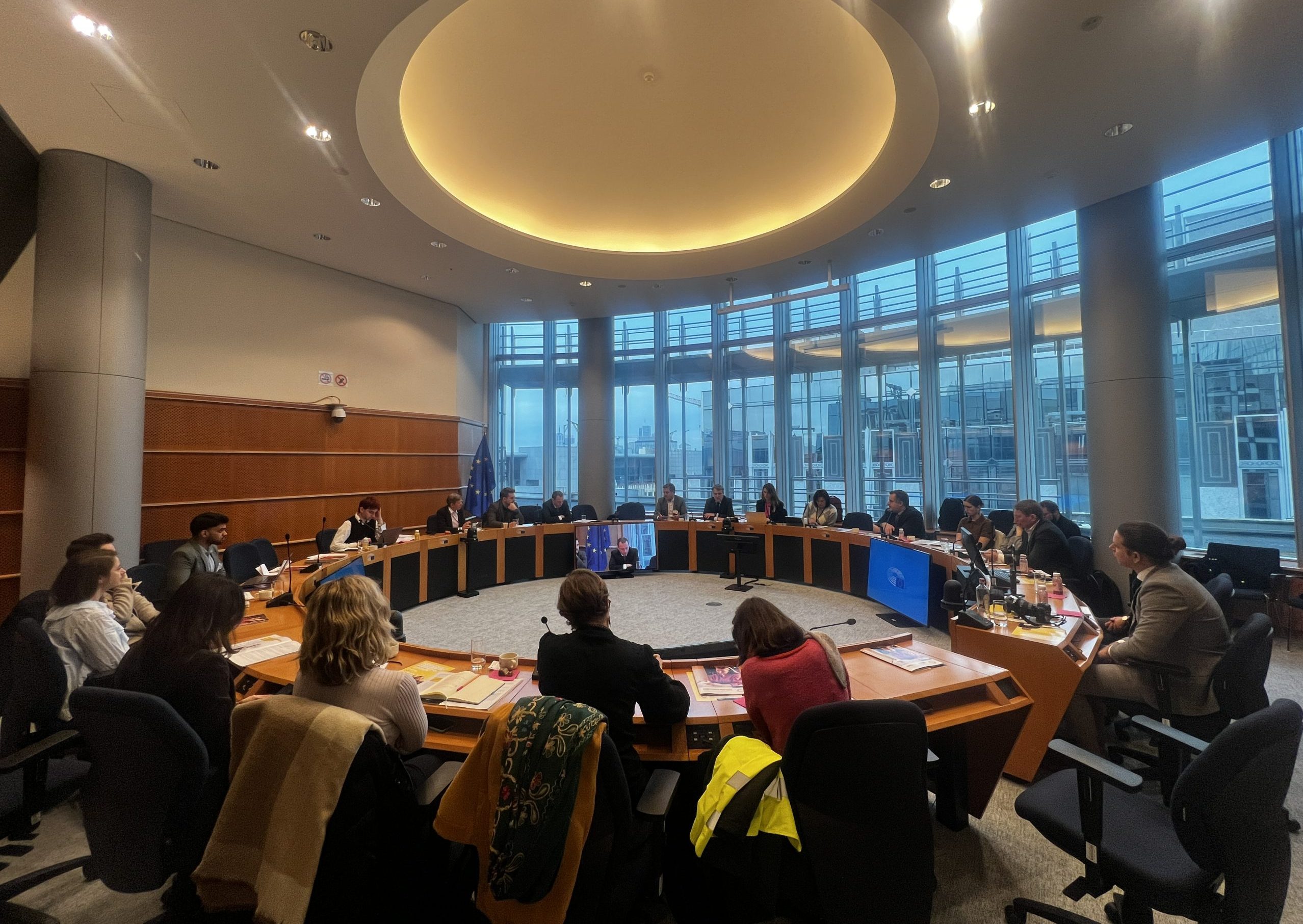
12 November 2025 — European Parliament, Brussels (Room SPAAK 1C51)

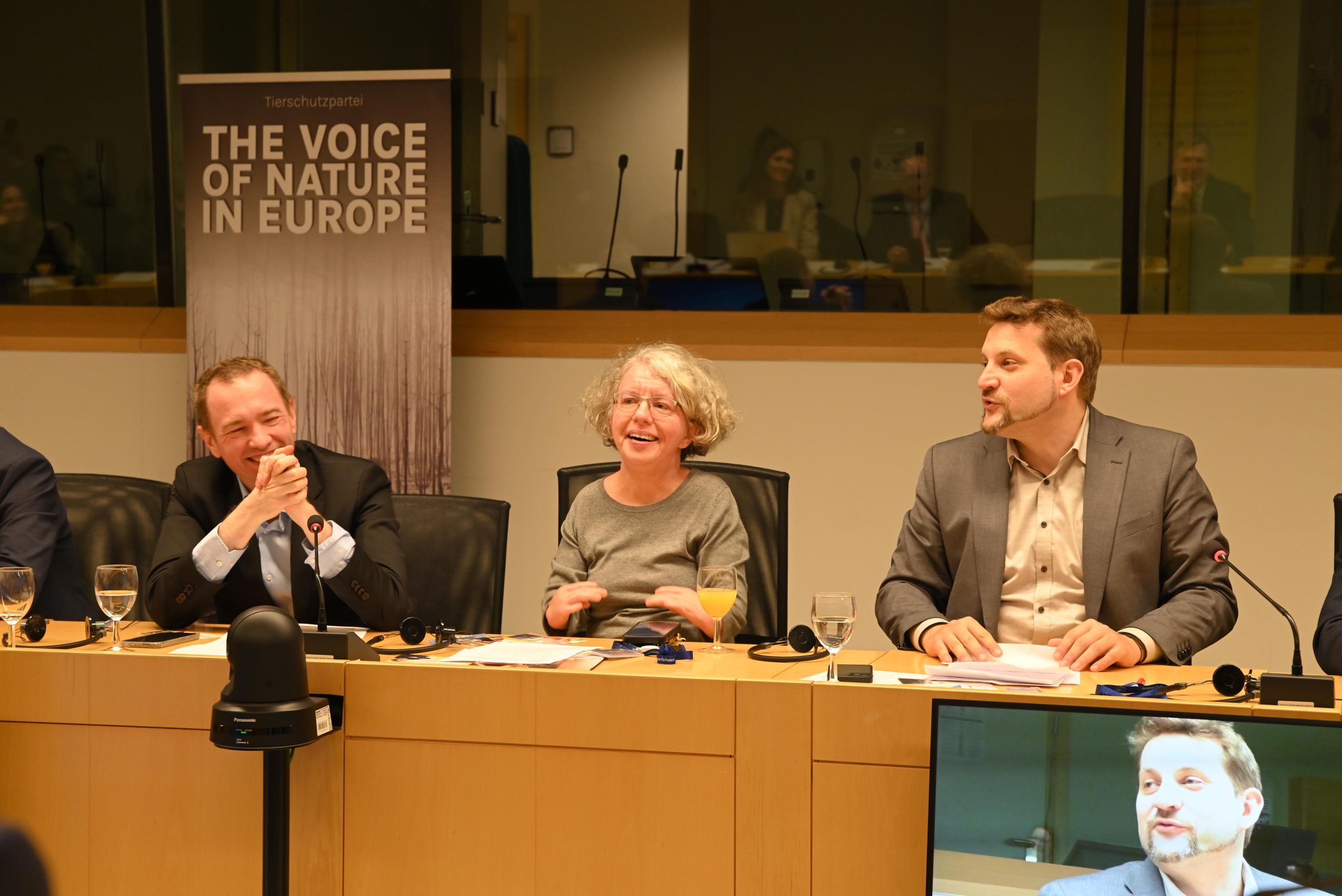
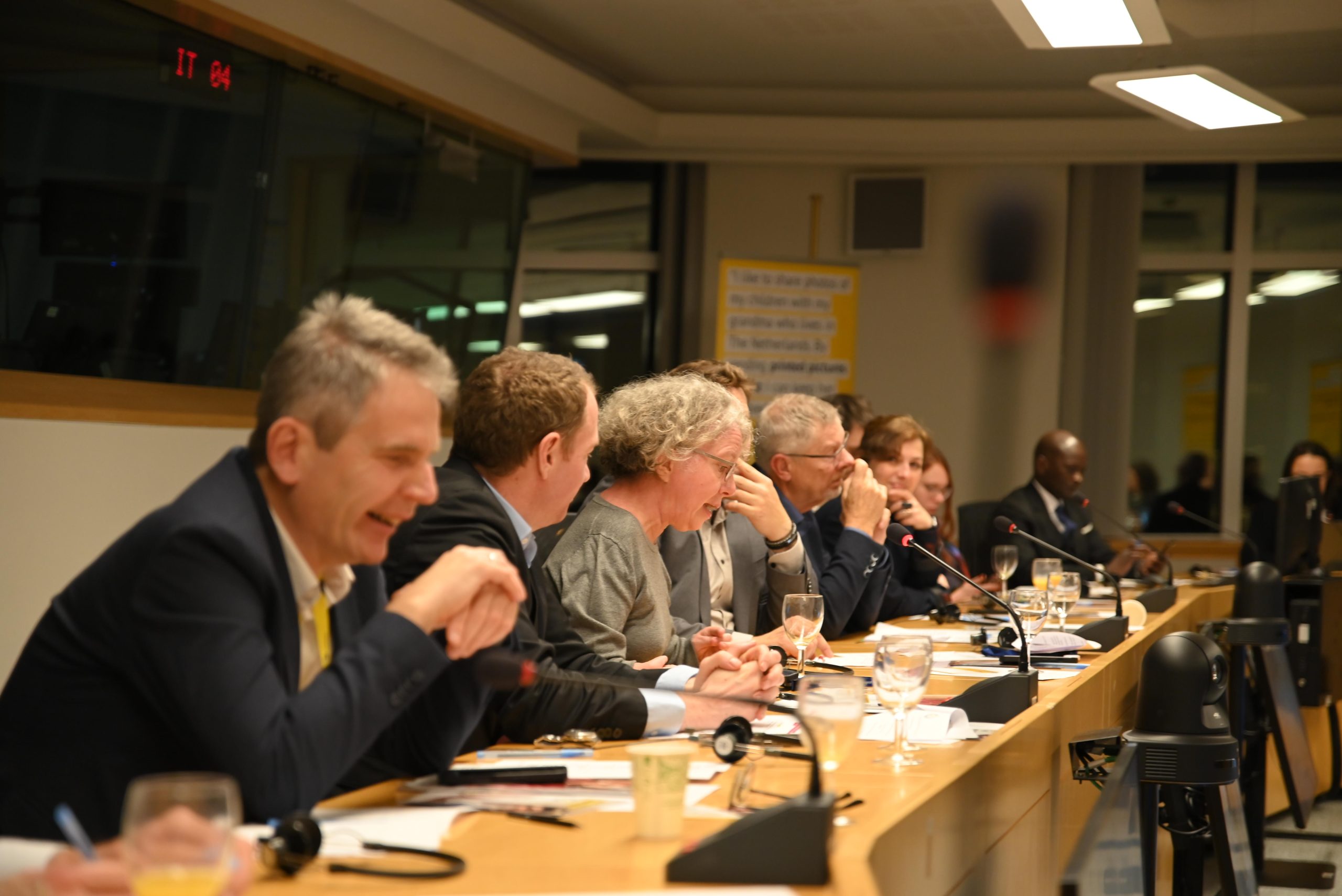
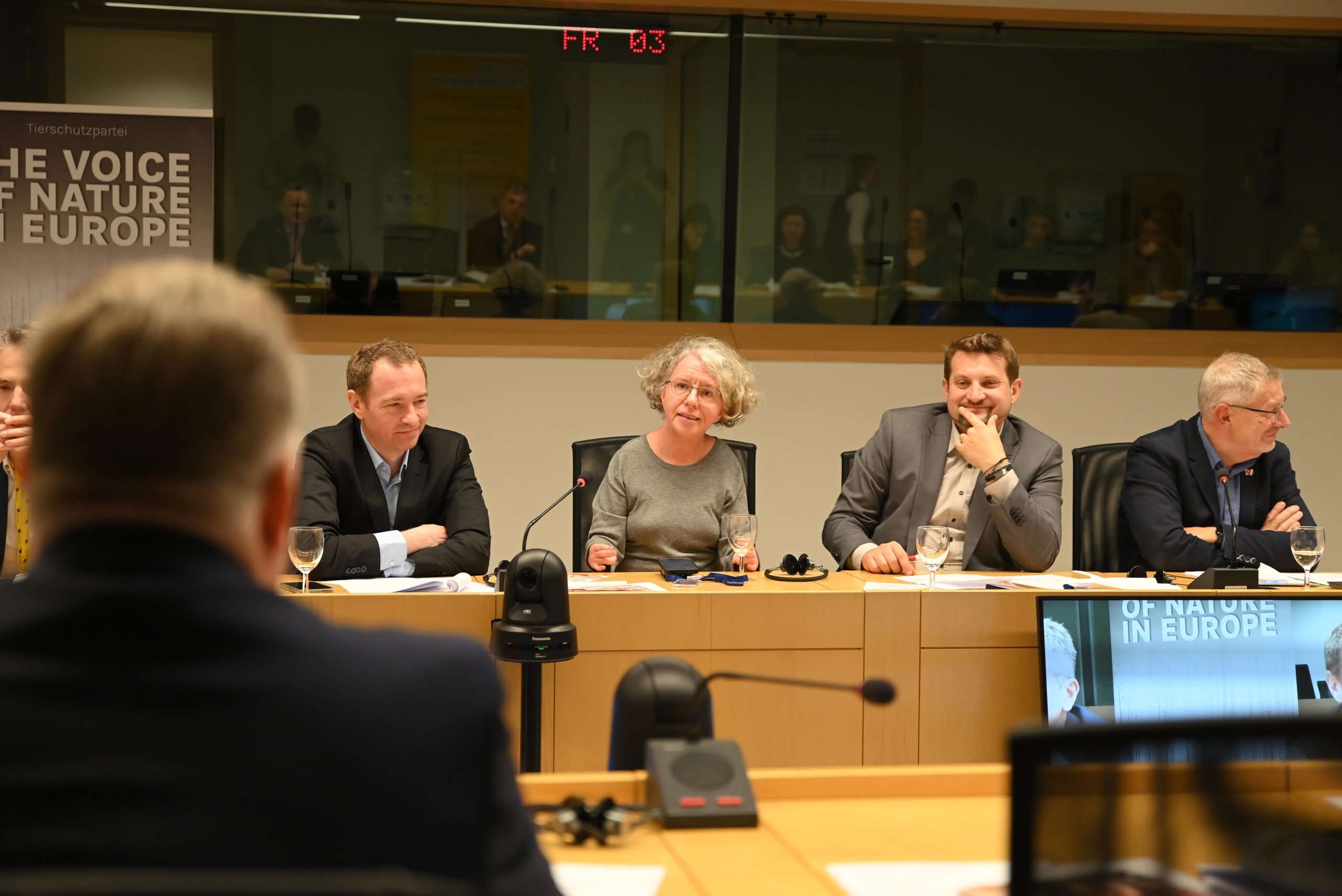
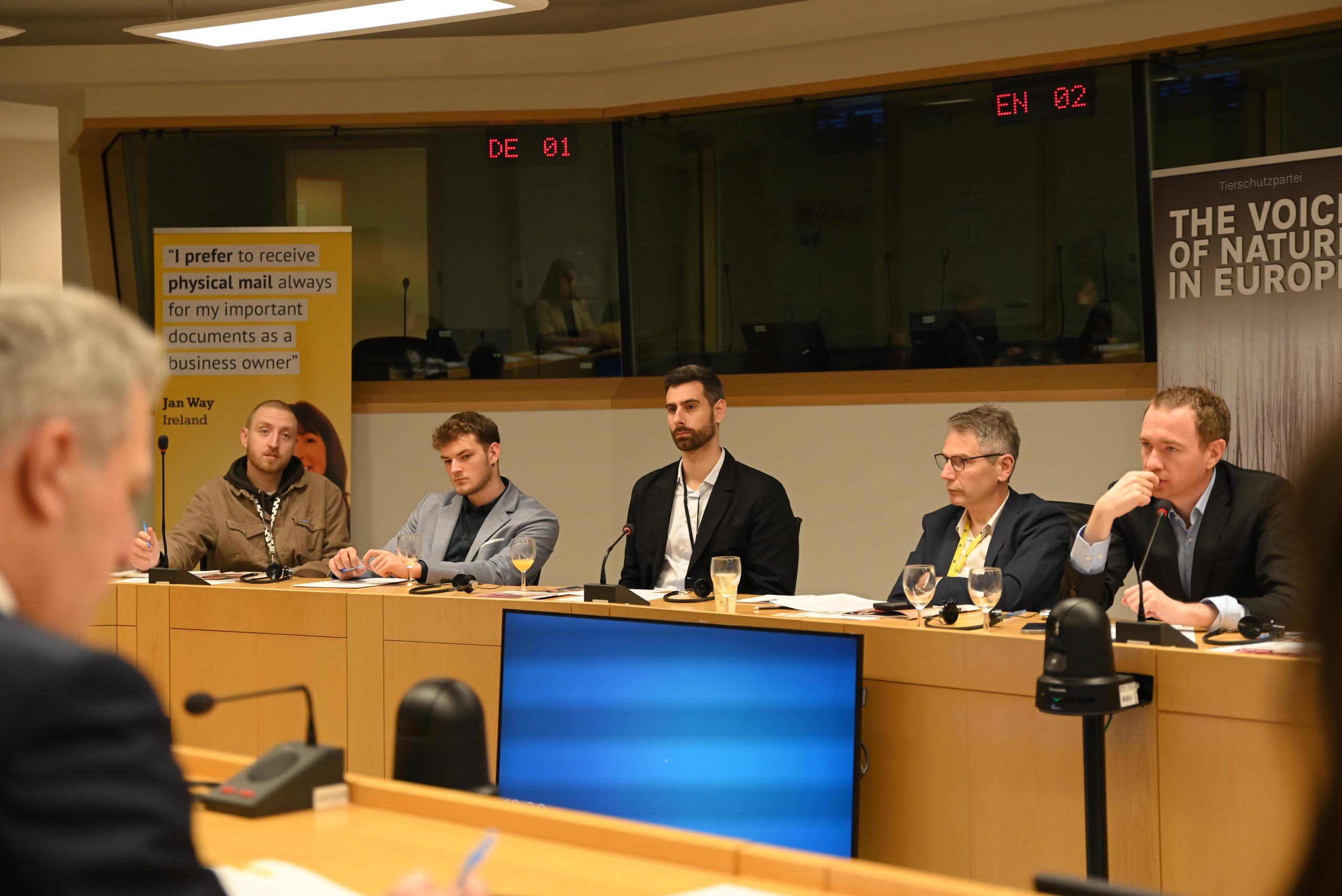
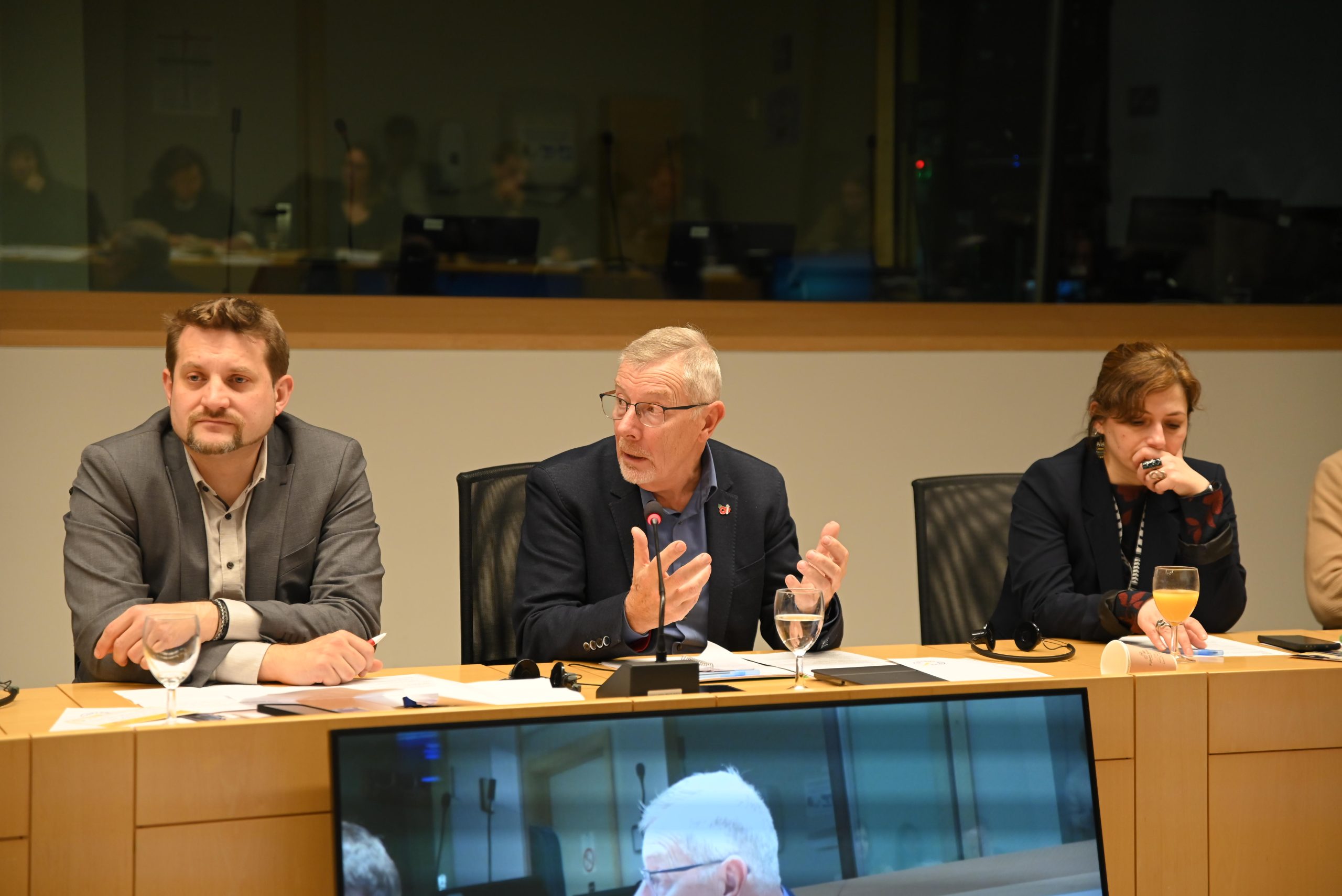
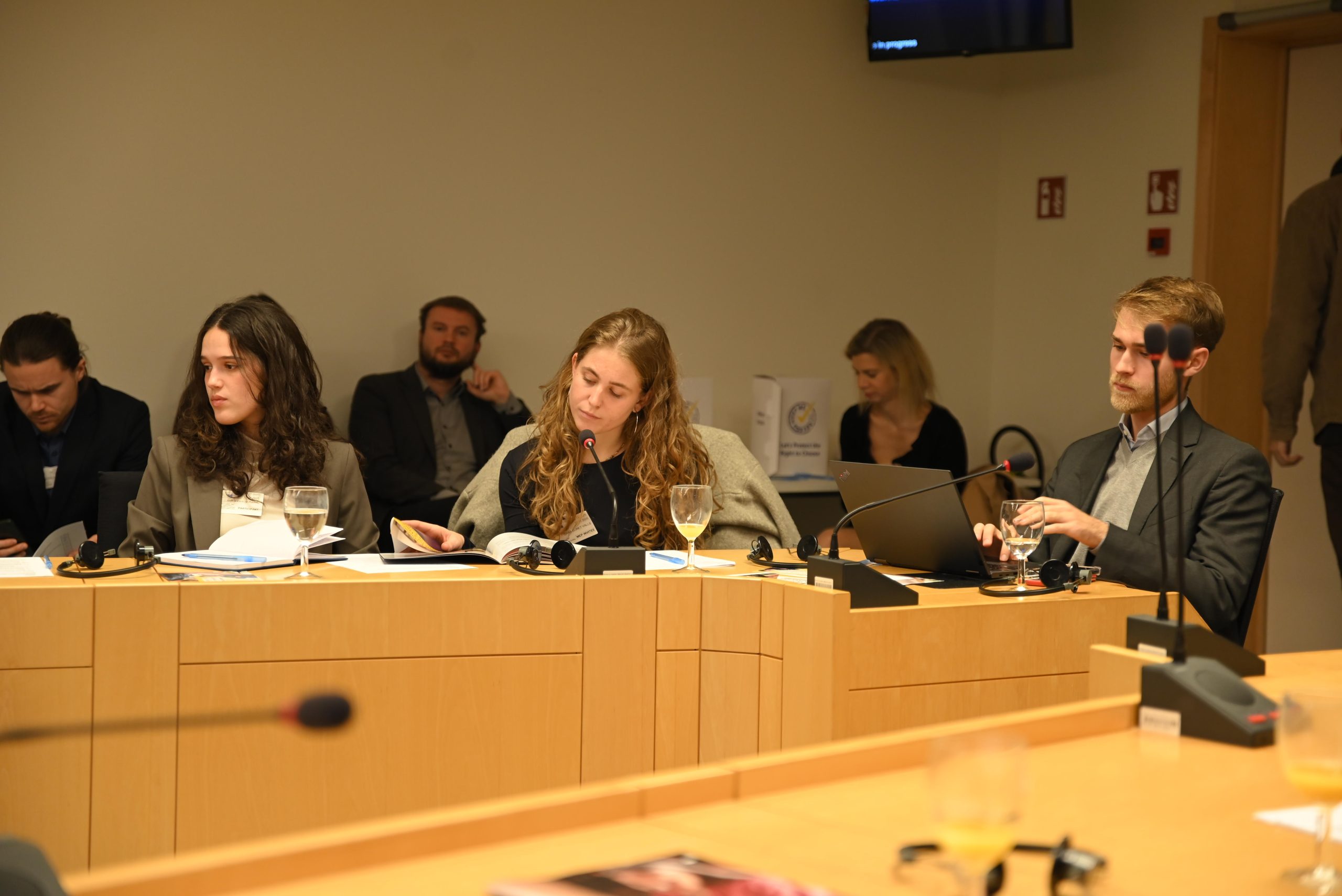
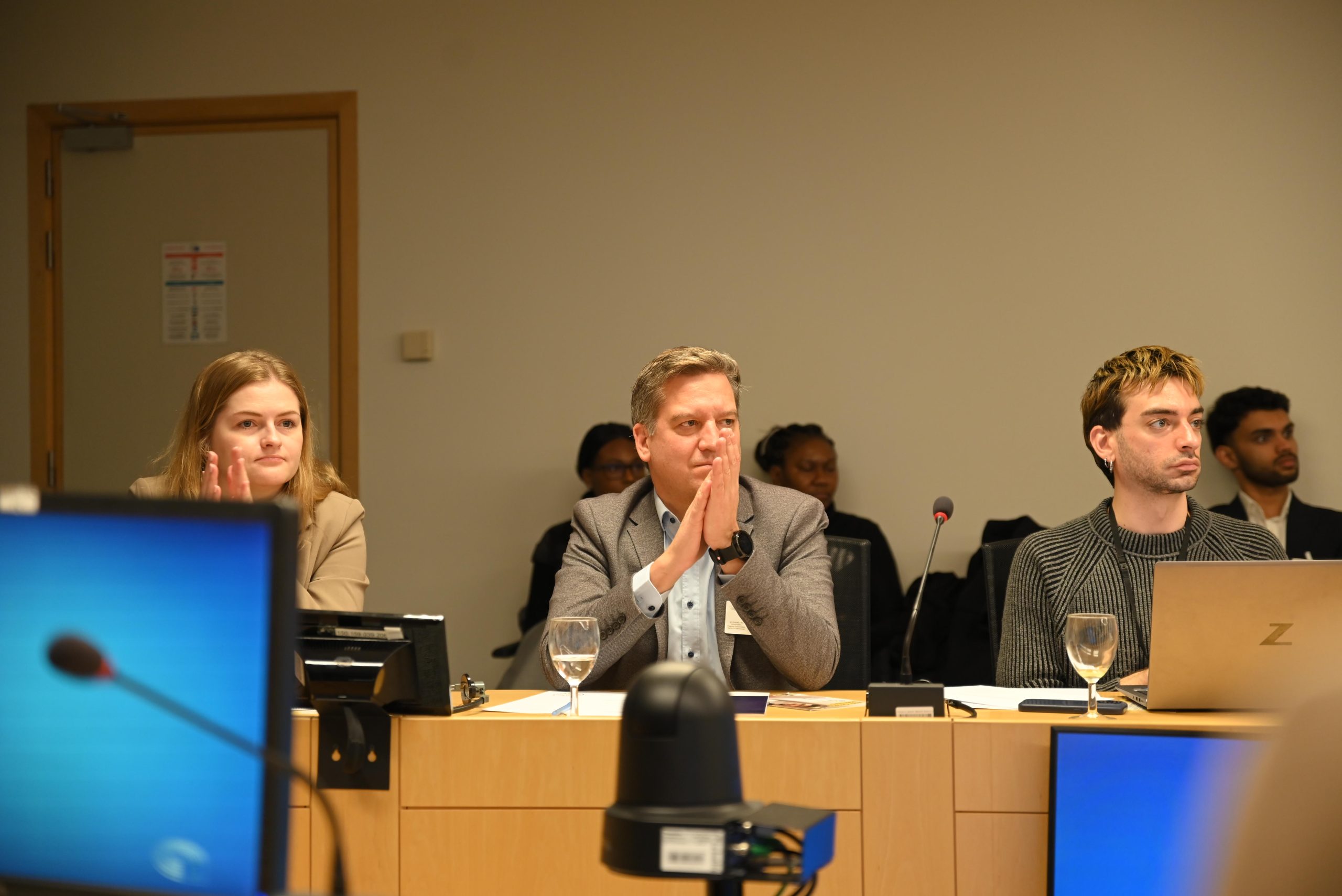
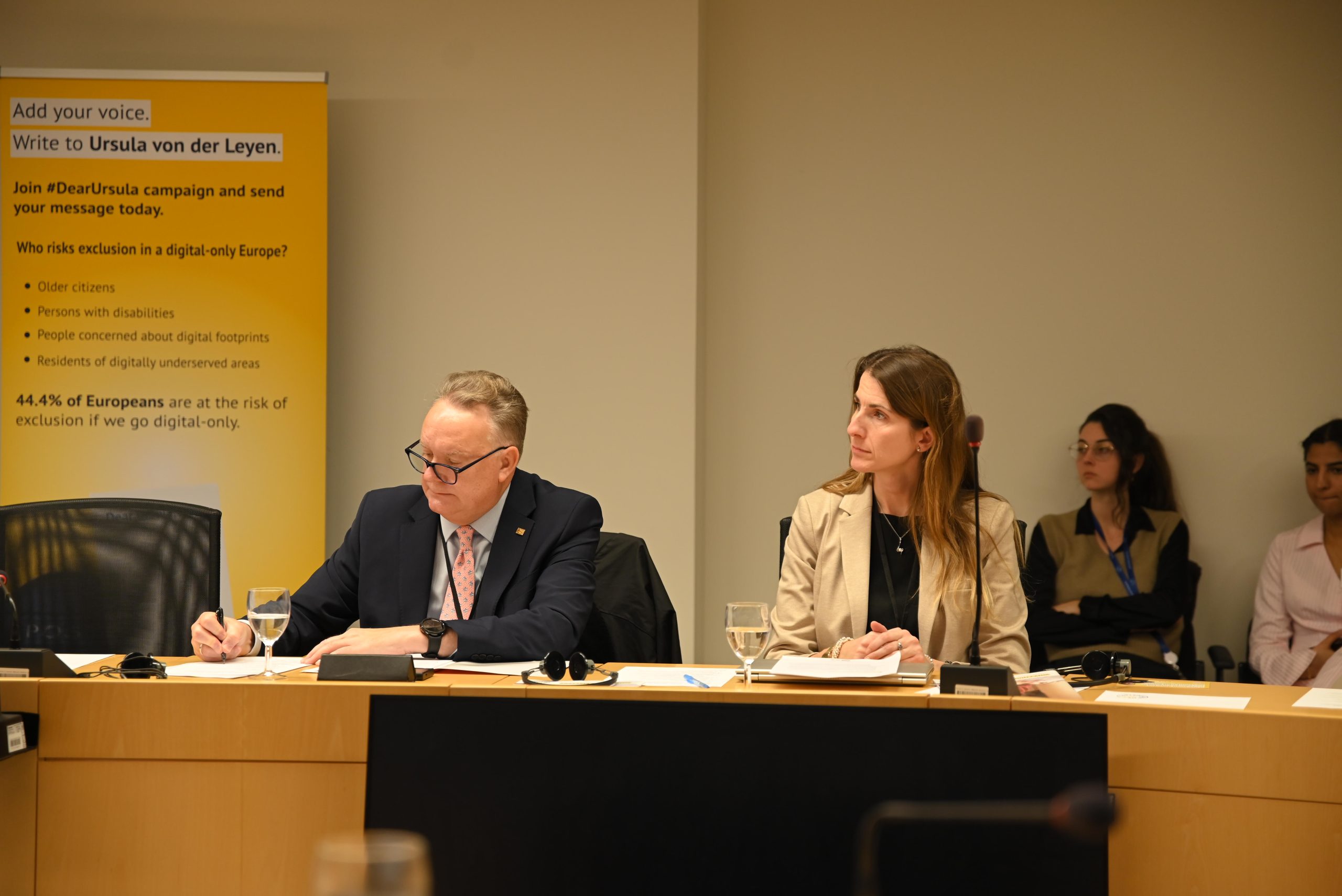
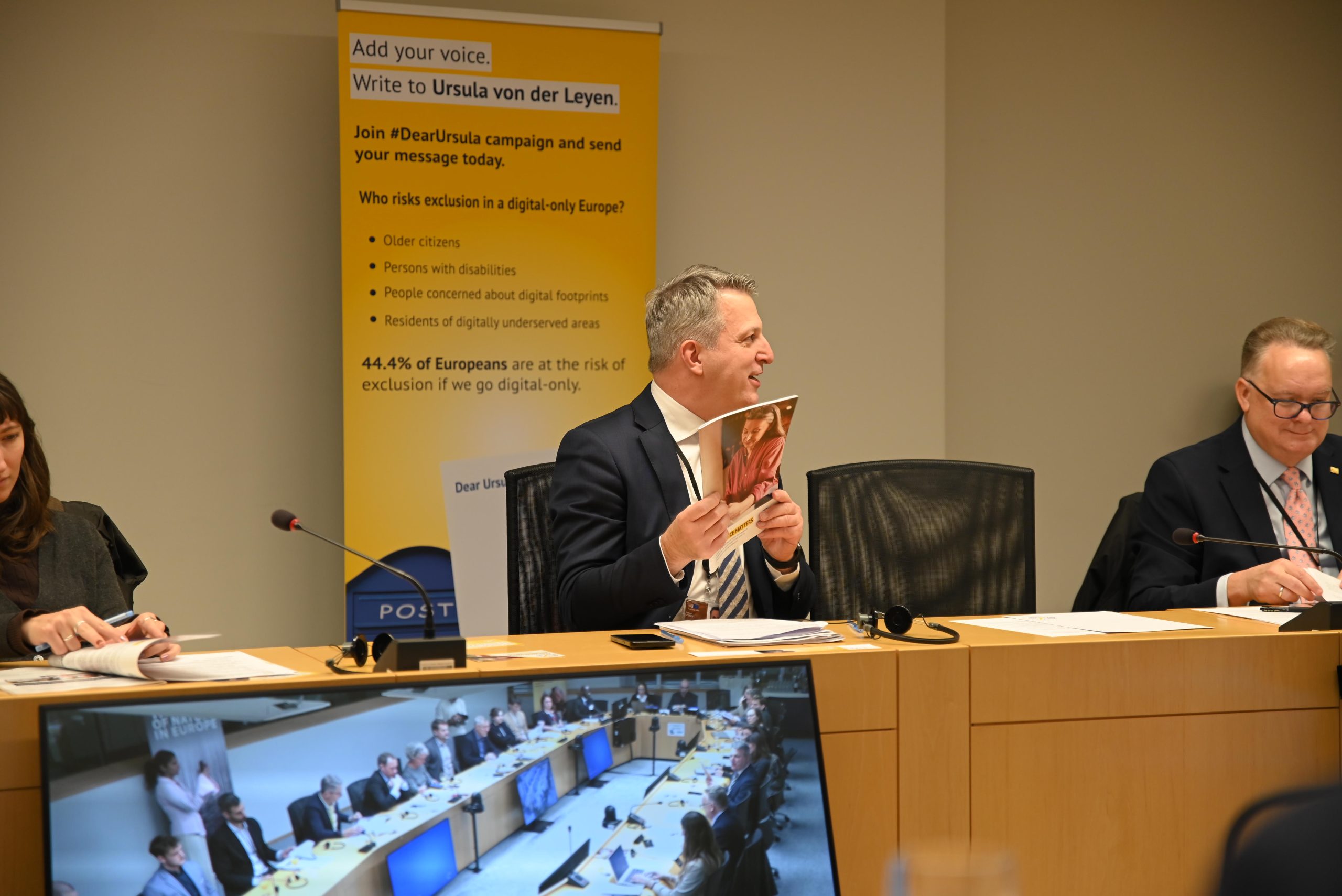
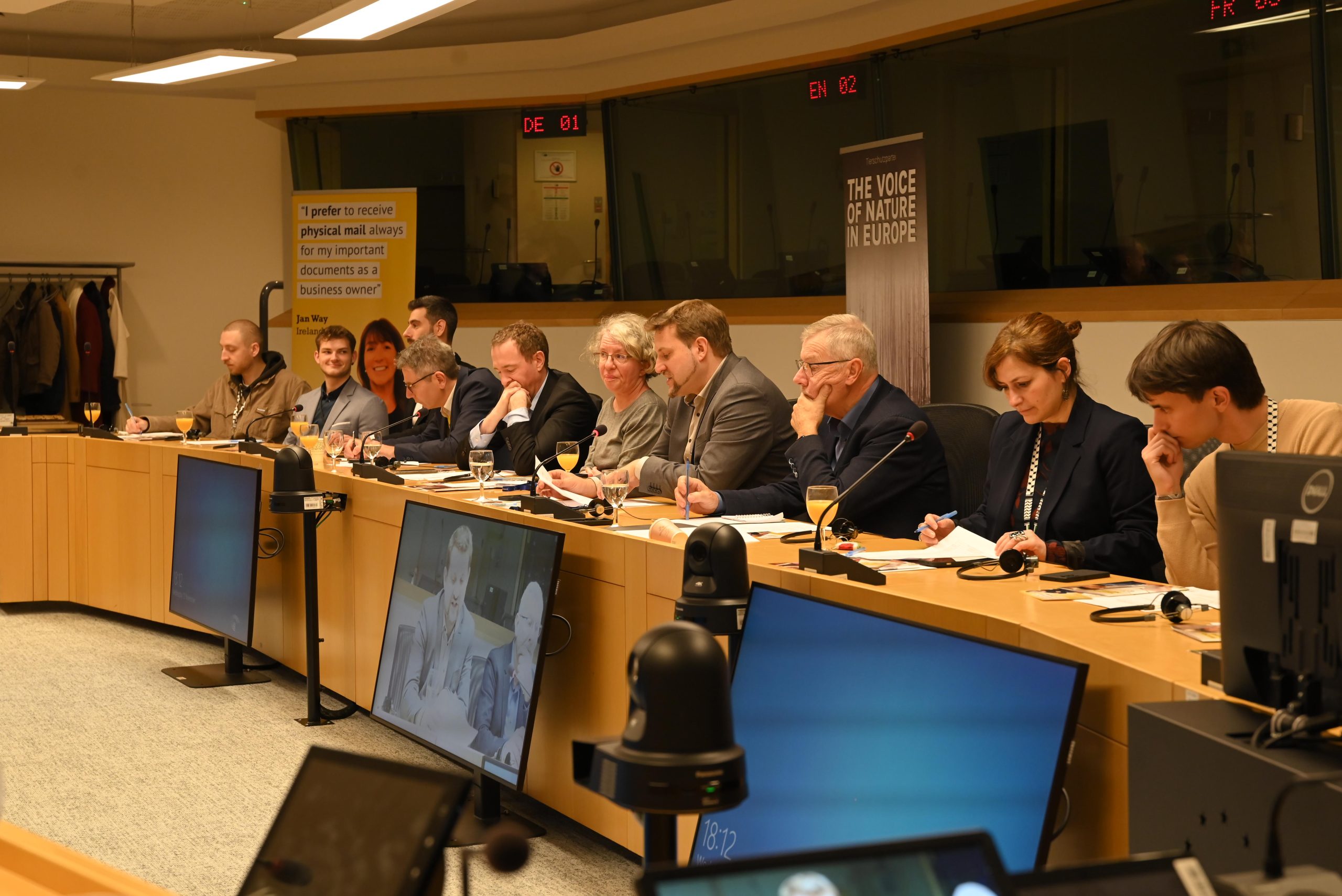
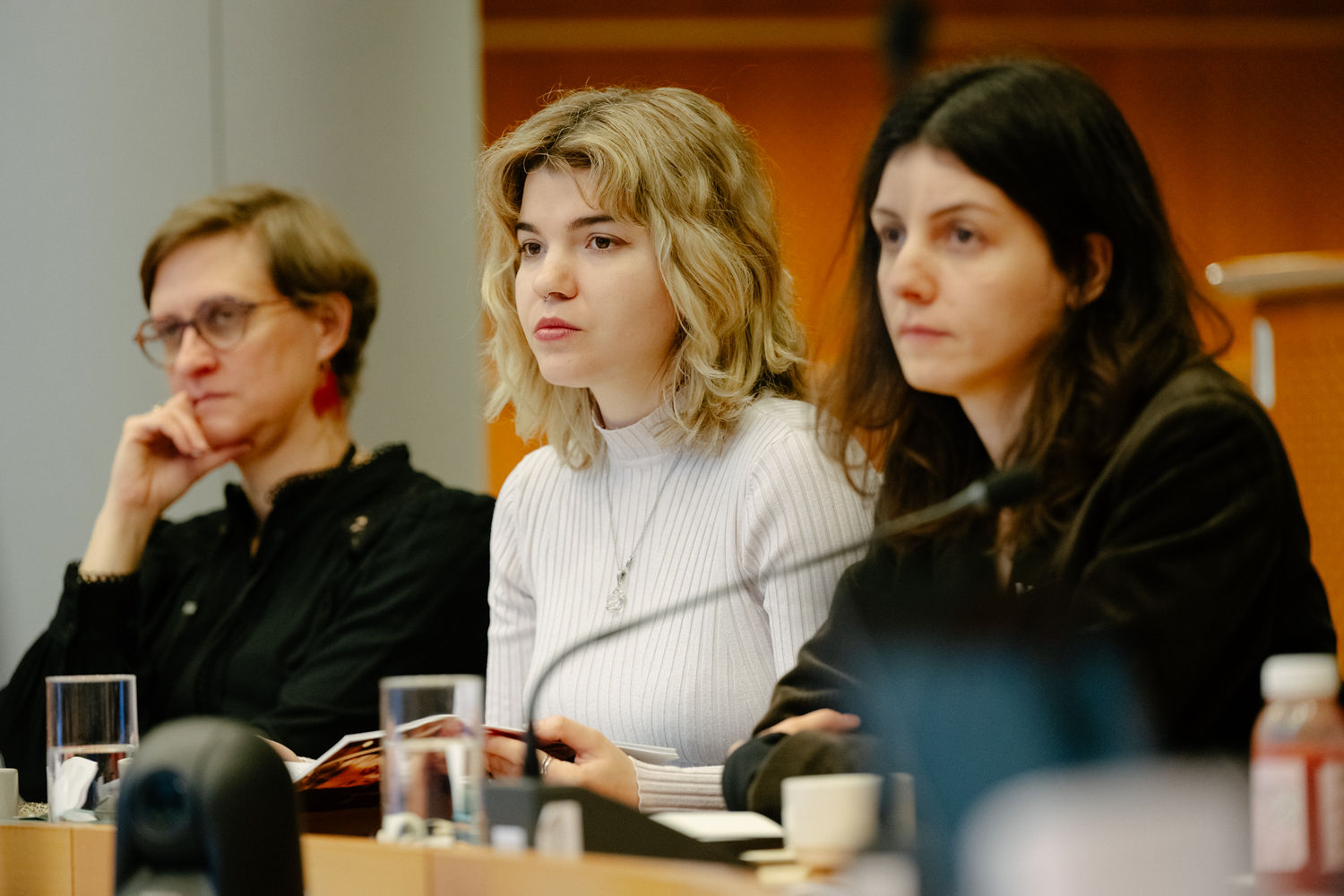
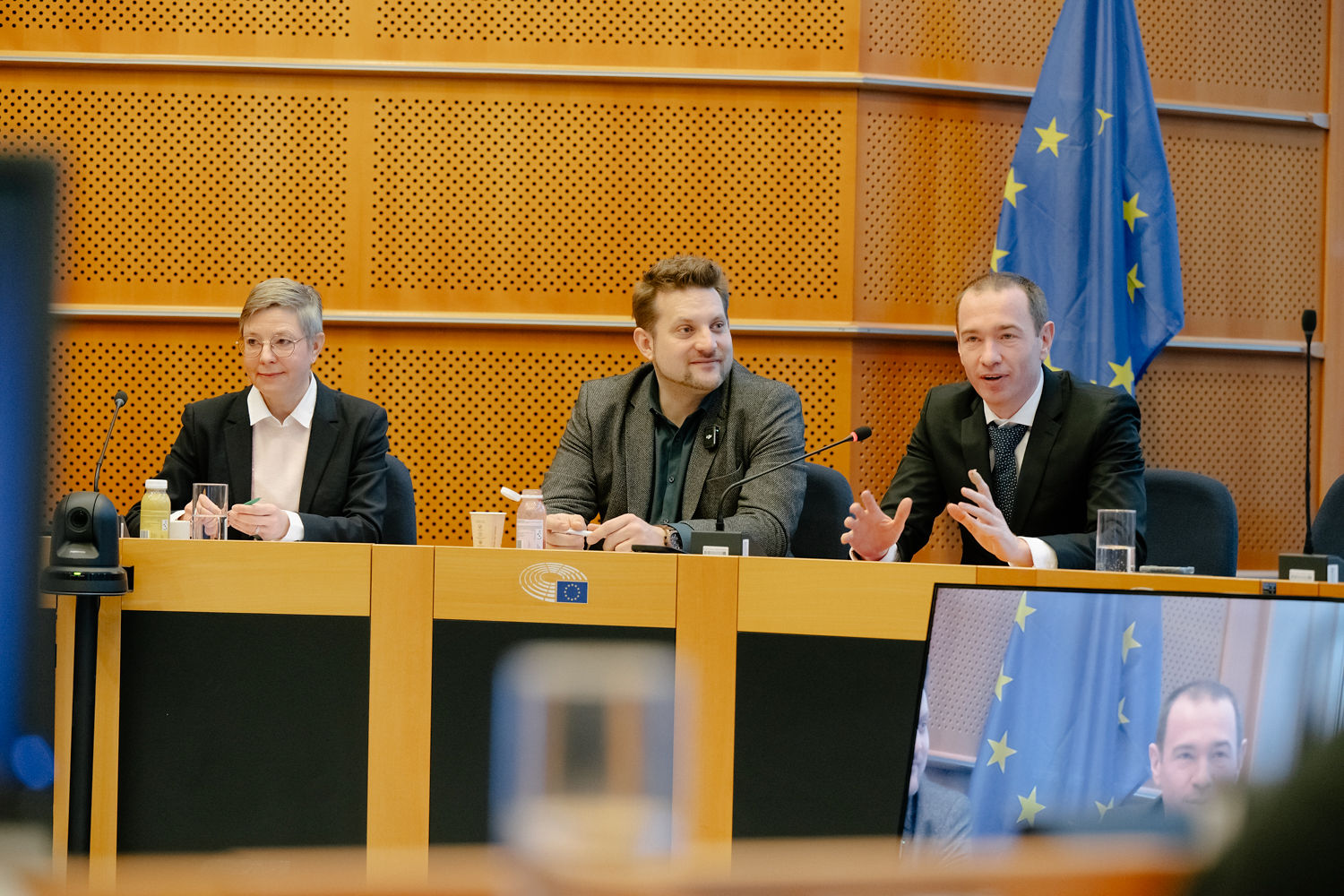
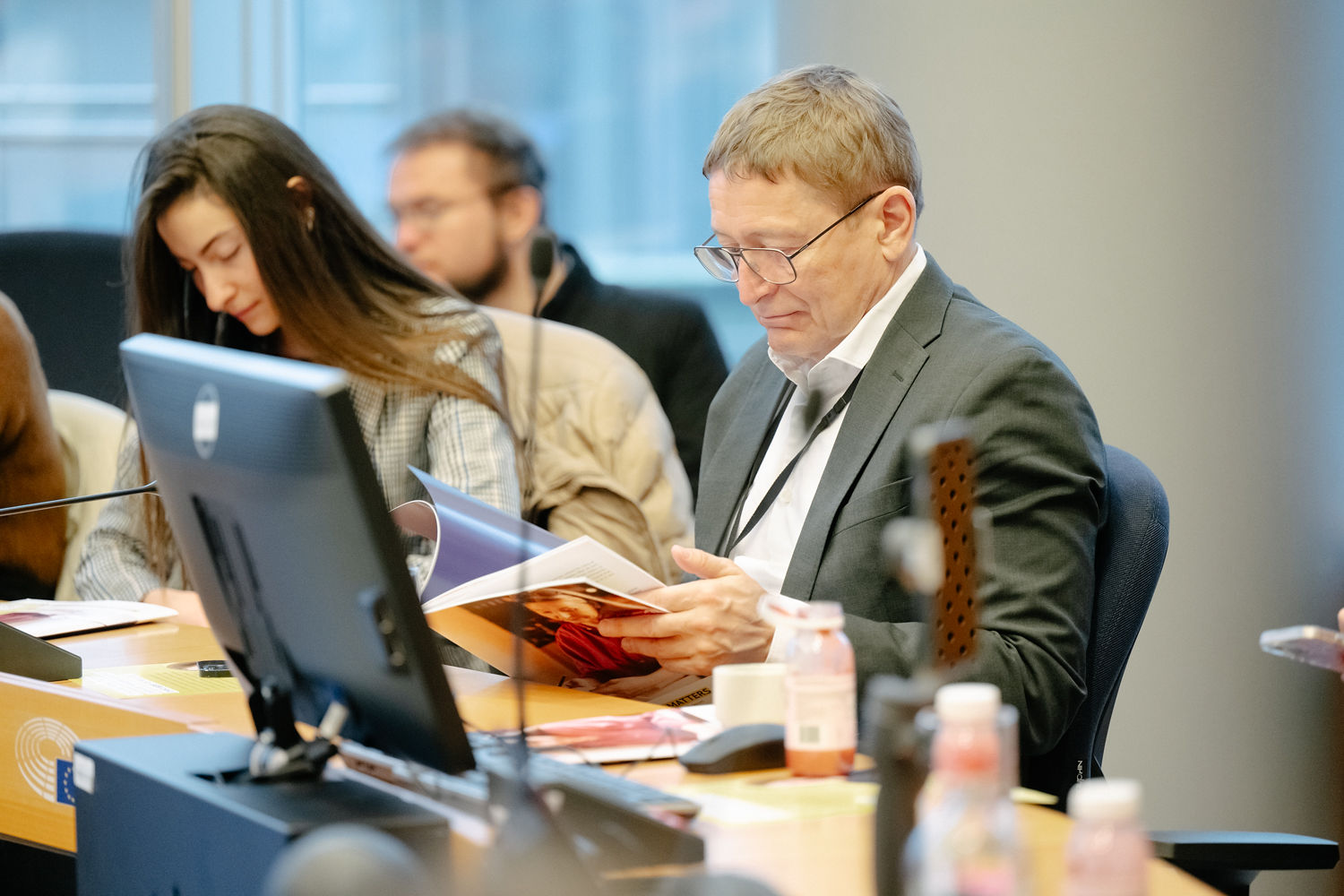
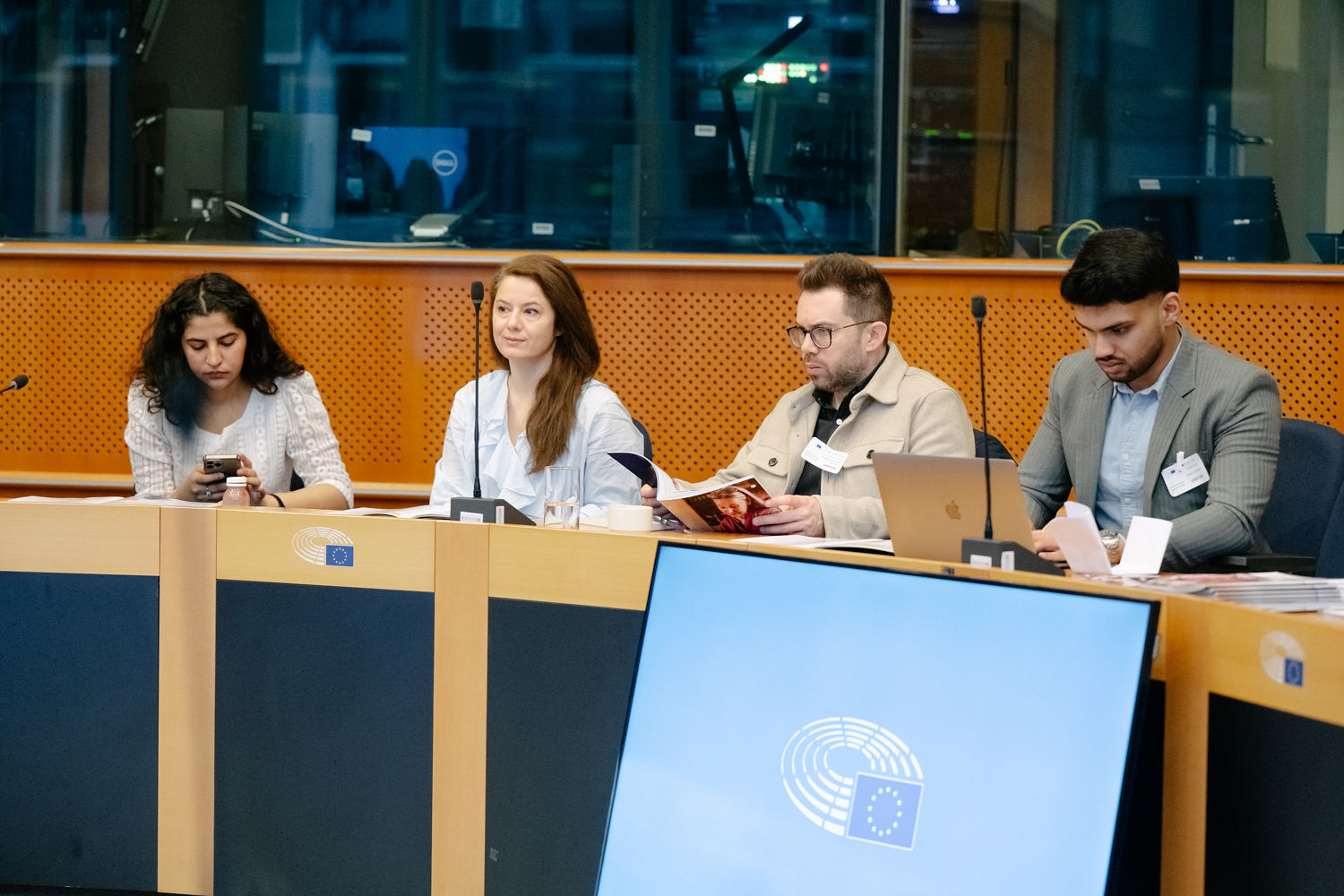
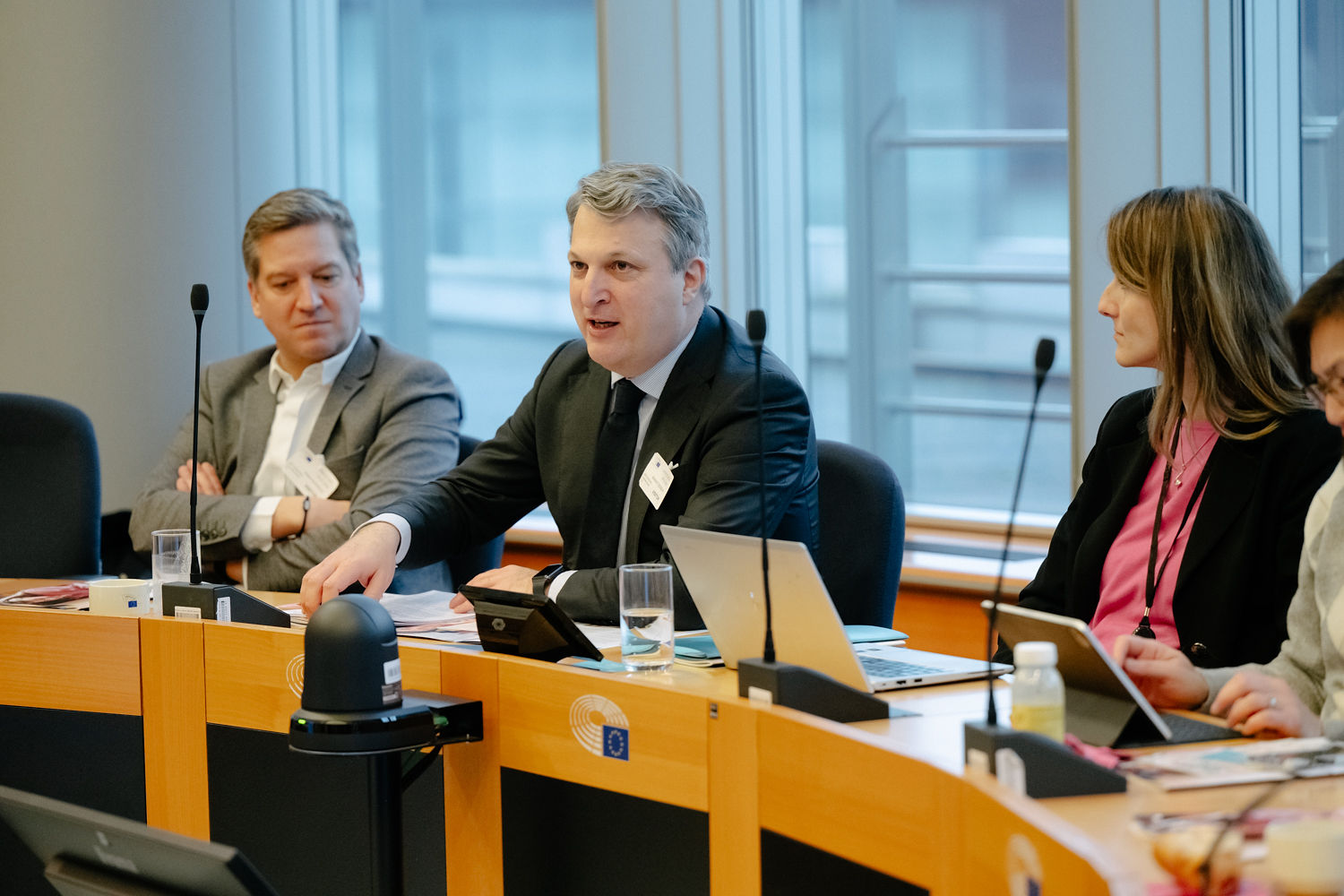
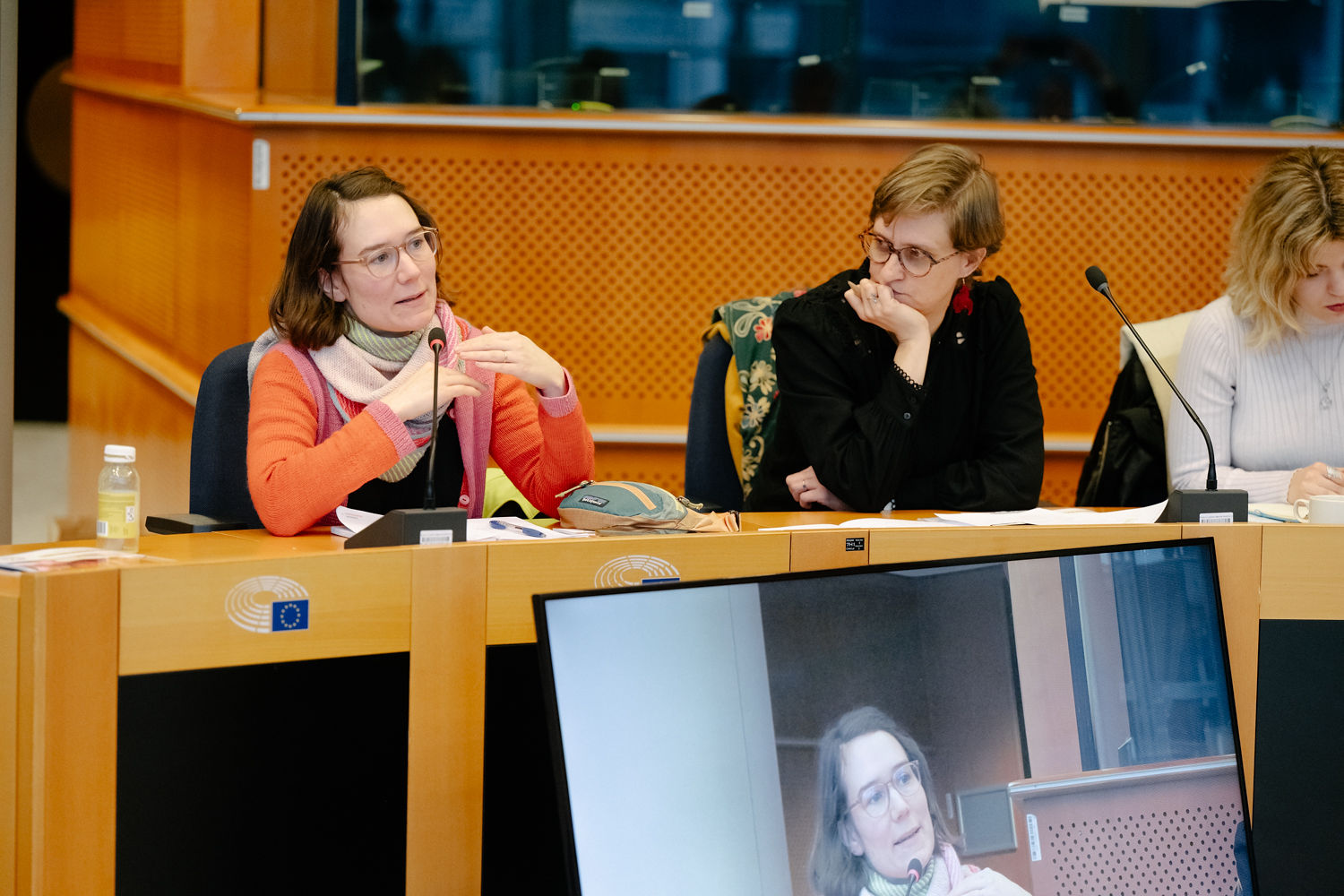
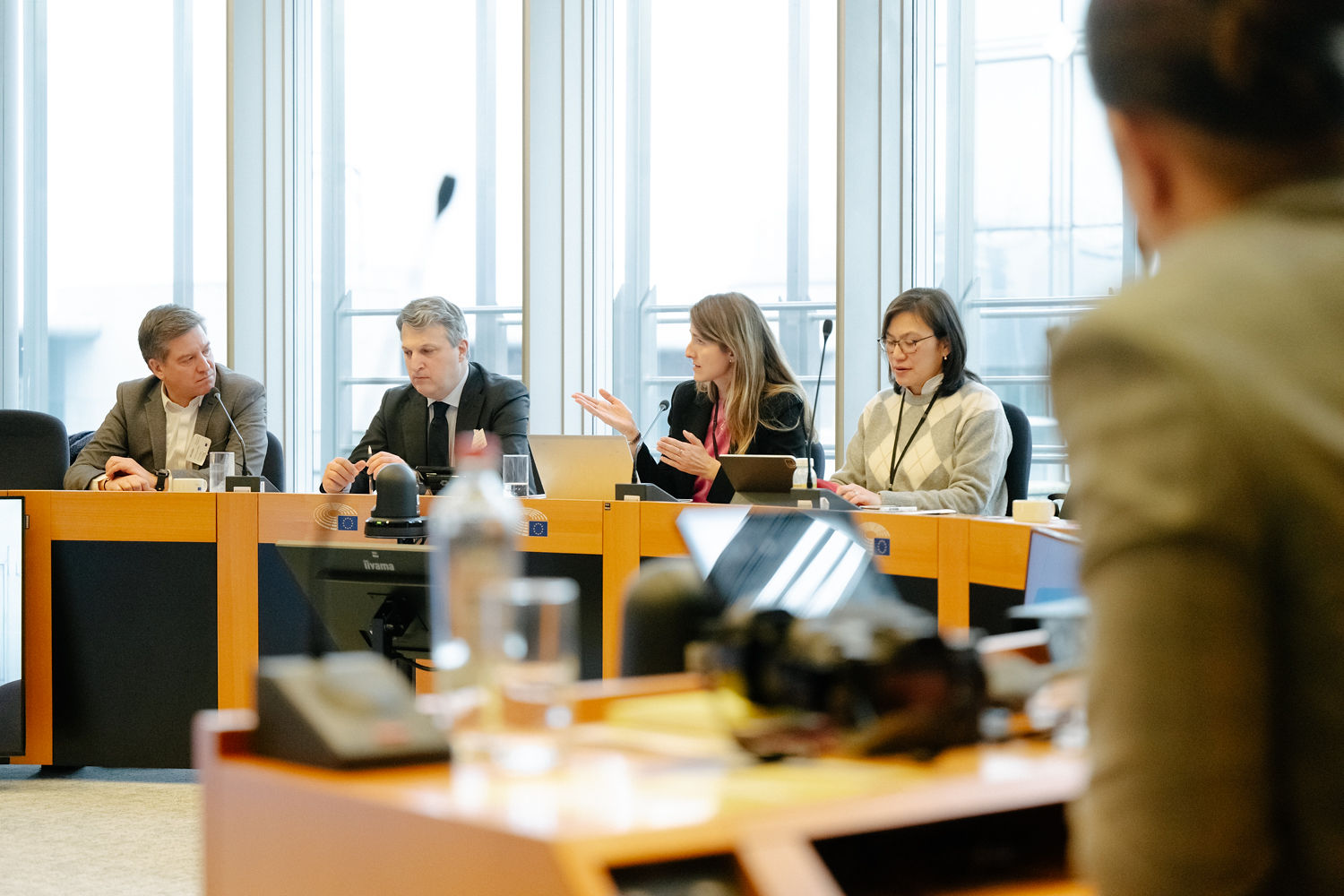
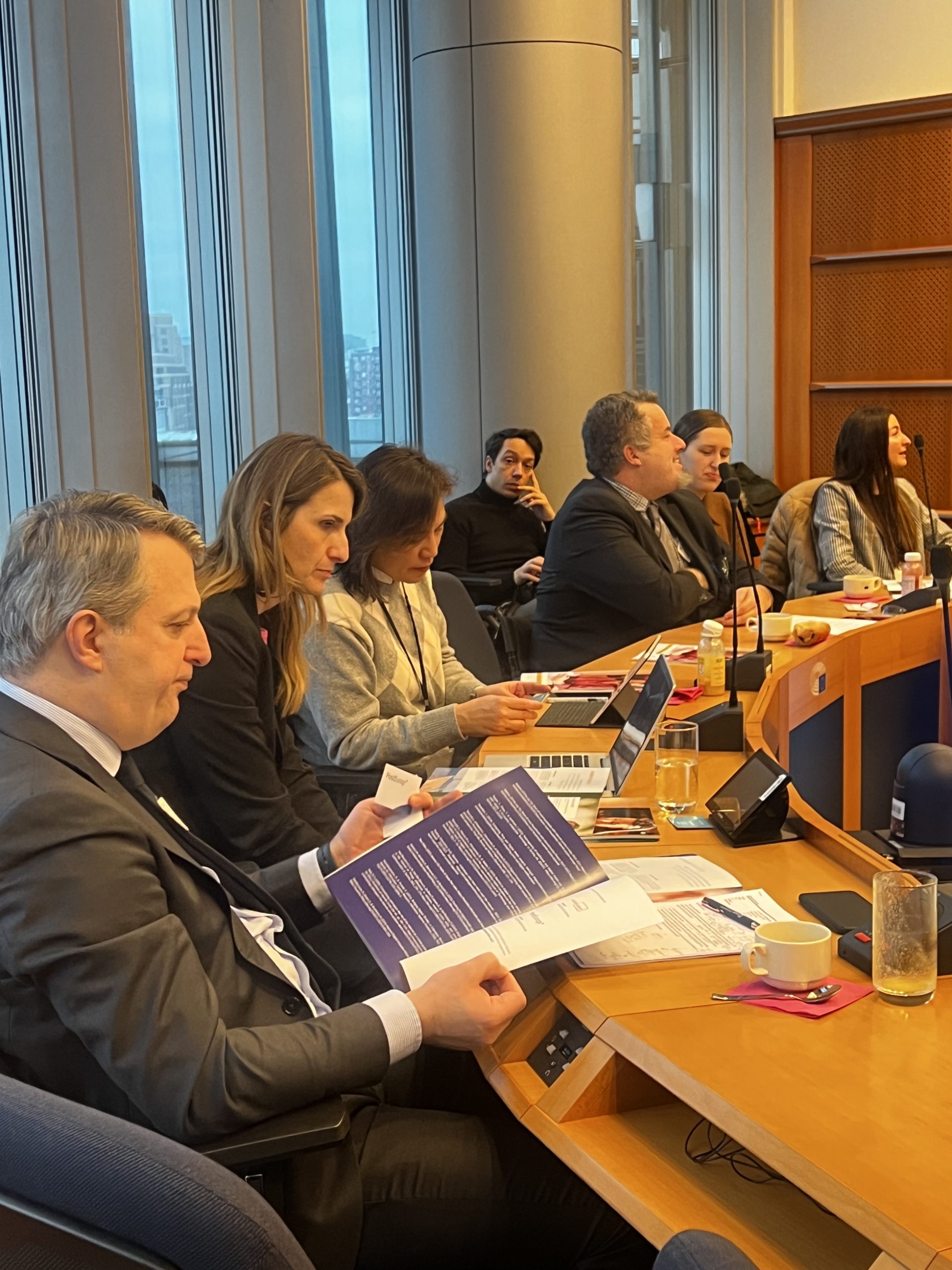
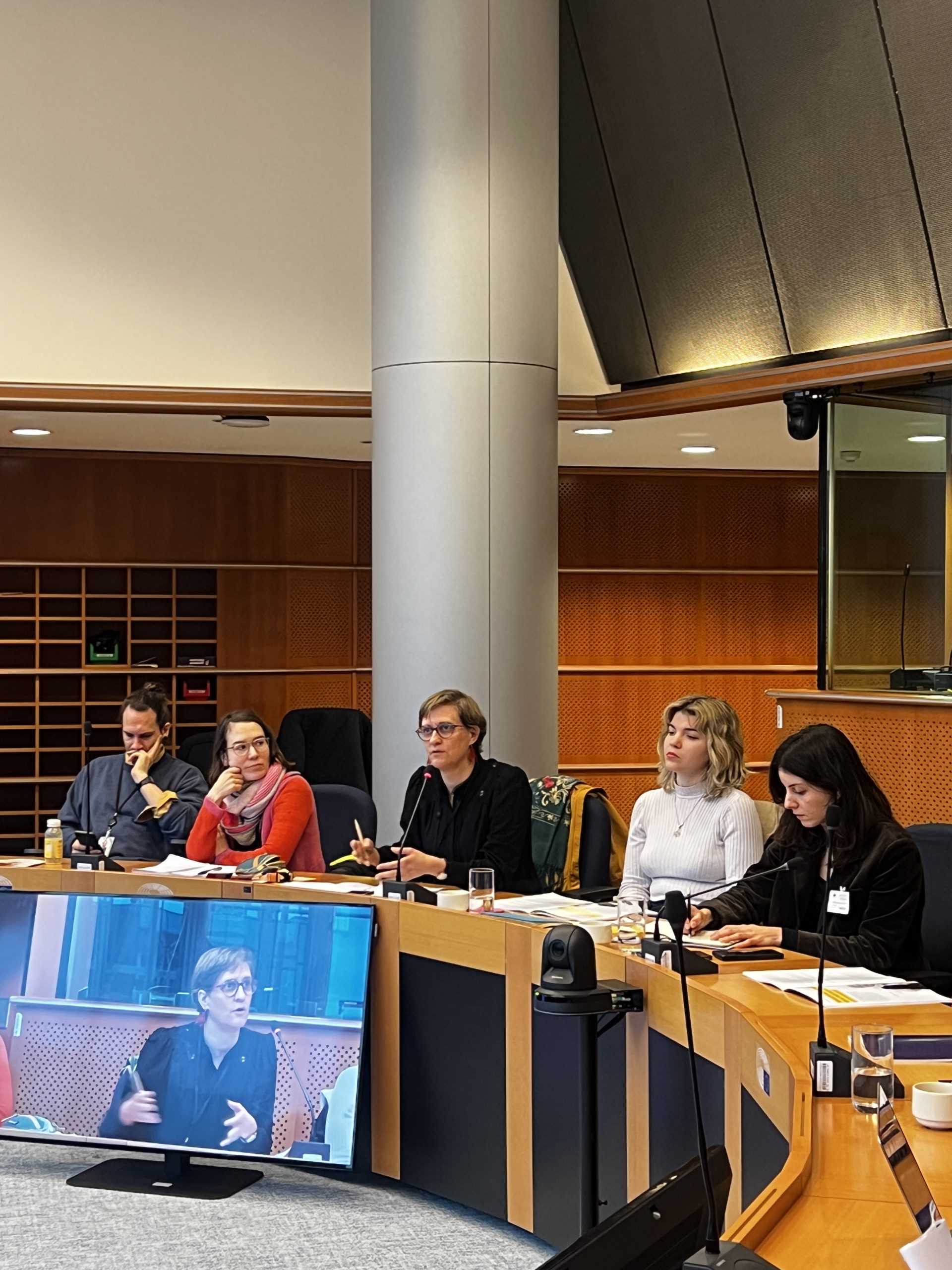
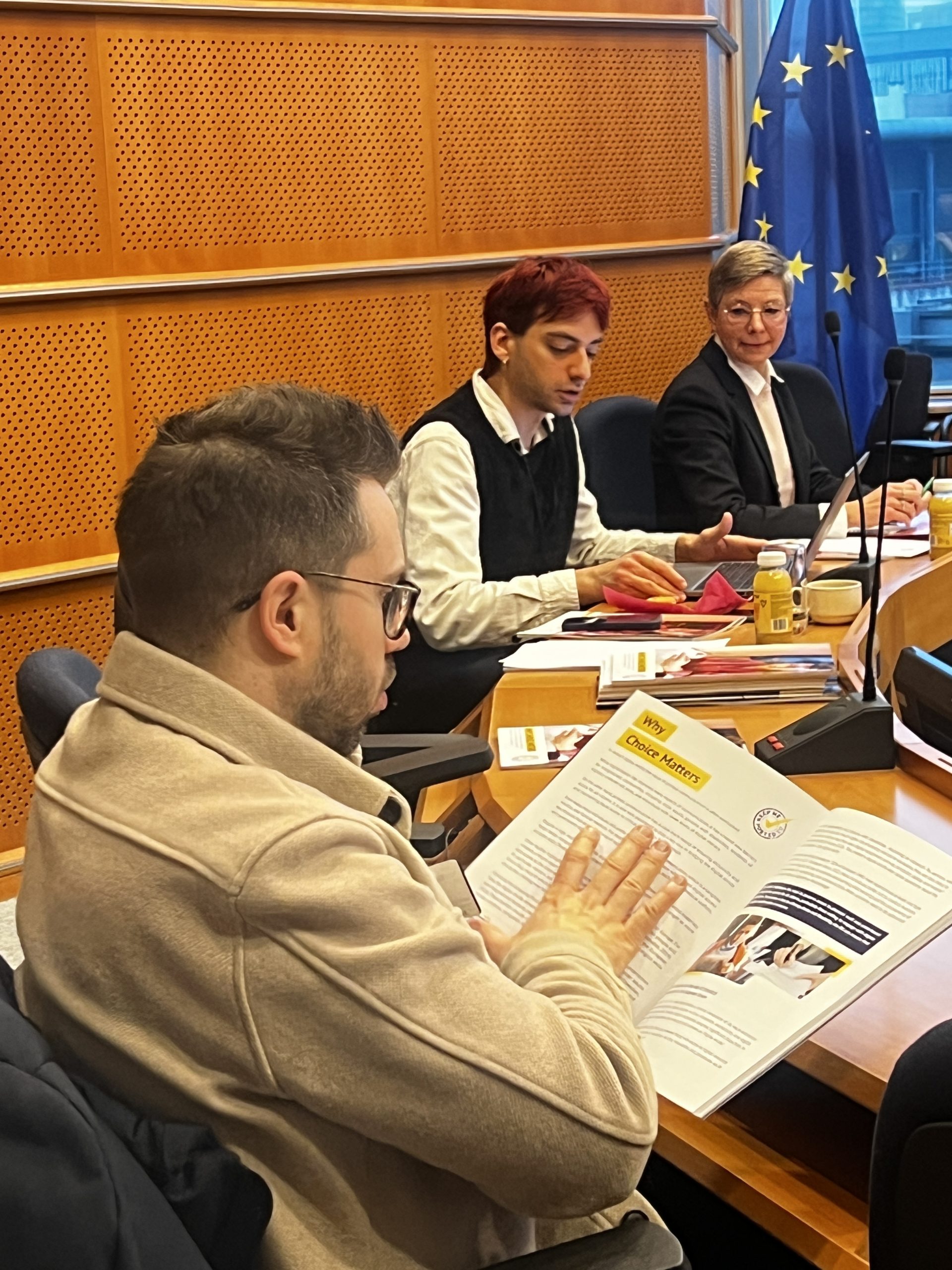
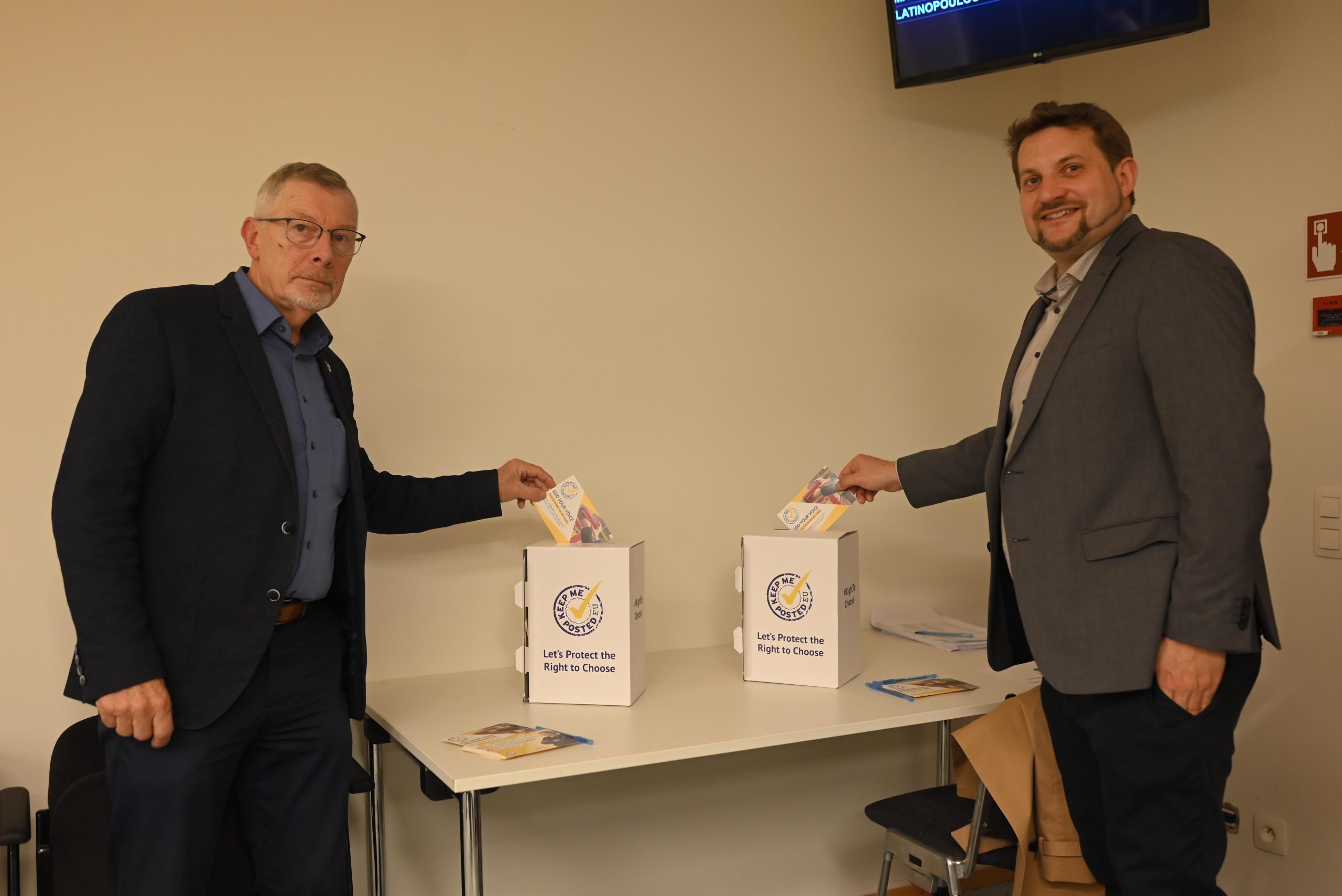
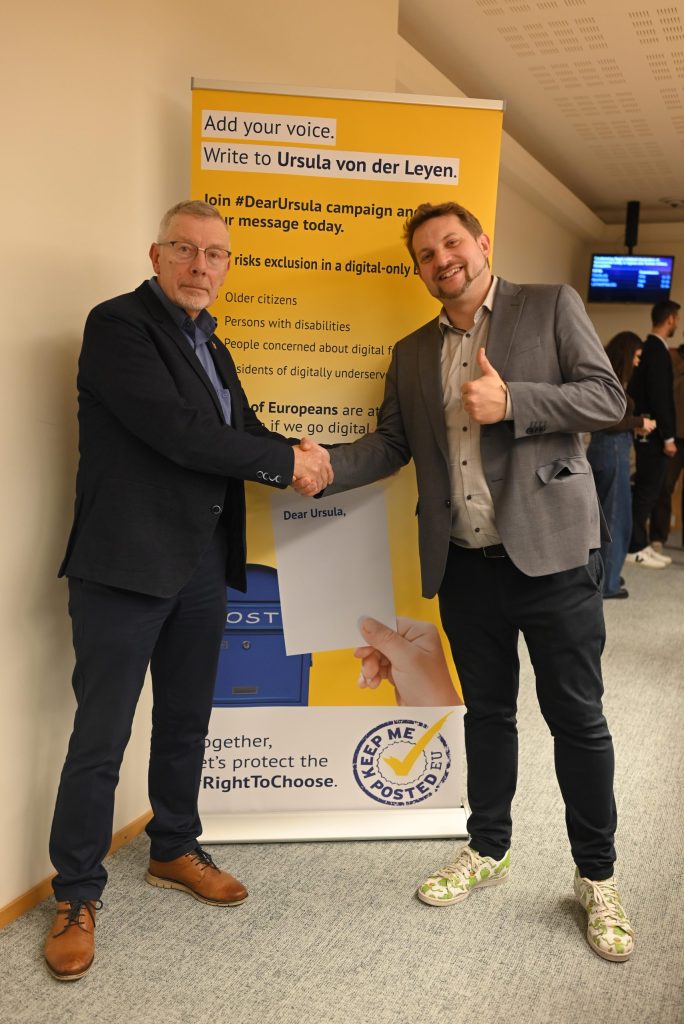
The Keep Me Posted EU event, co-hosted by MEP Sebastian Everding and MEP Rudi Kennes, brought together citizens and members of diverse organisations from across Europe to discuss how digitalisation can progress without excluding anyone. The session also introduced the #DearUrsula campaign, calling for guaranteed access and choice in communication formats. The event highlighted the continued importance of accessibility, consumer choice, and the #RightToChoose for people to receive information in the format that works best for them.


Speakers:

  • MEP Sebastian Everding
  • MEP Rudi Kennes
  • MEP Katrin Langensiepen
  • Botond Szebeny – Secretary General, PostEurop
  • Stephen Russell– Director General, ANEC
  • Michela Vuerich – Lead Programme Manager, ANEC

Gallery

Launch of the #DearUrsula Campaign

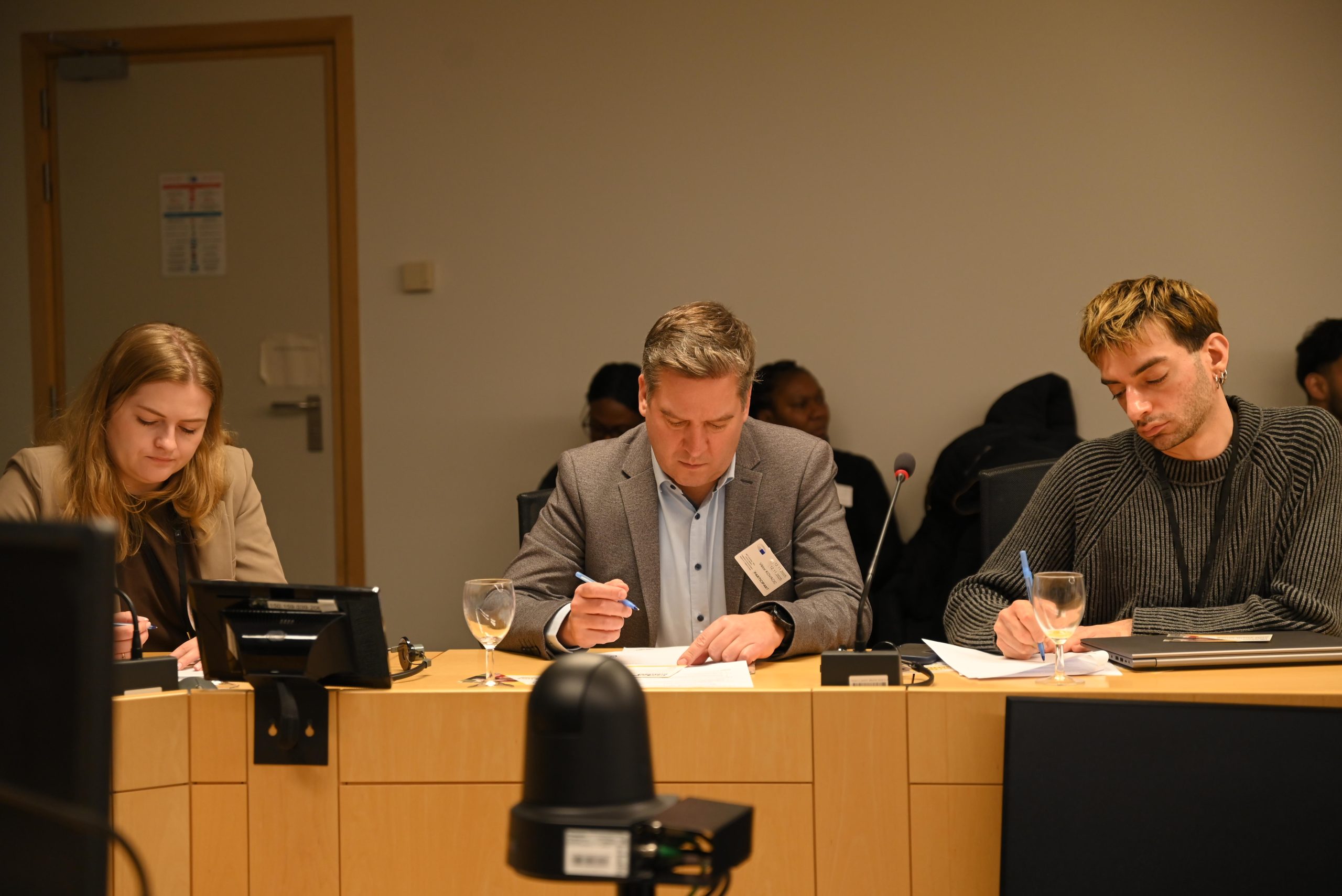
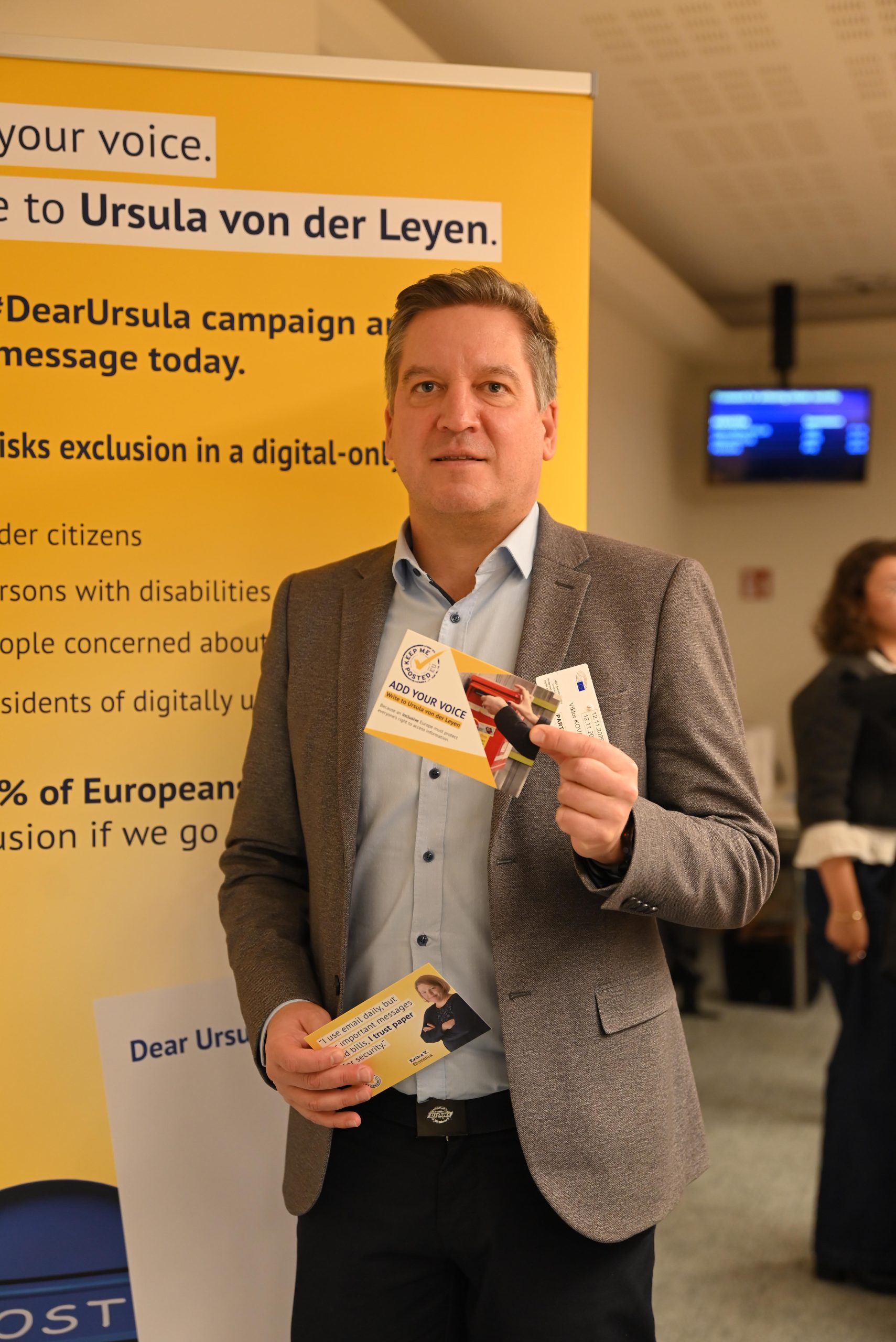
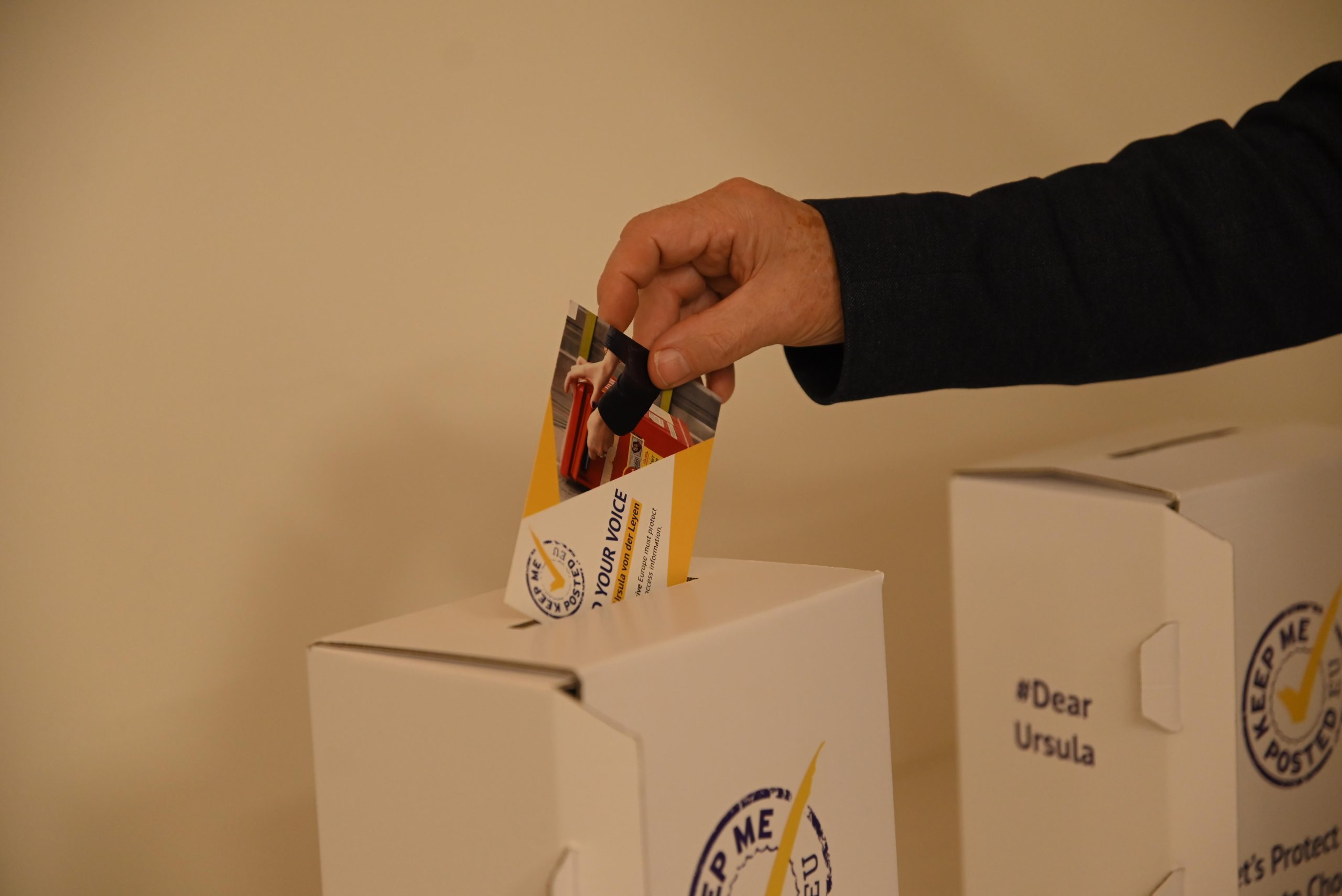
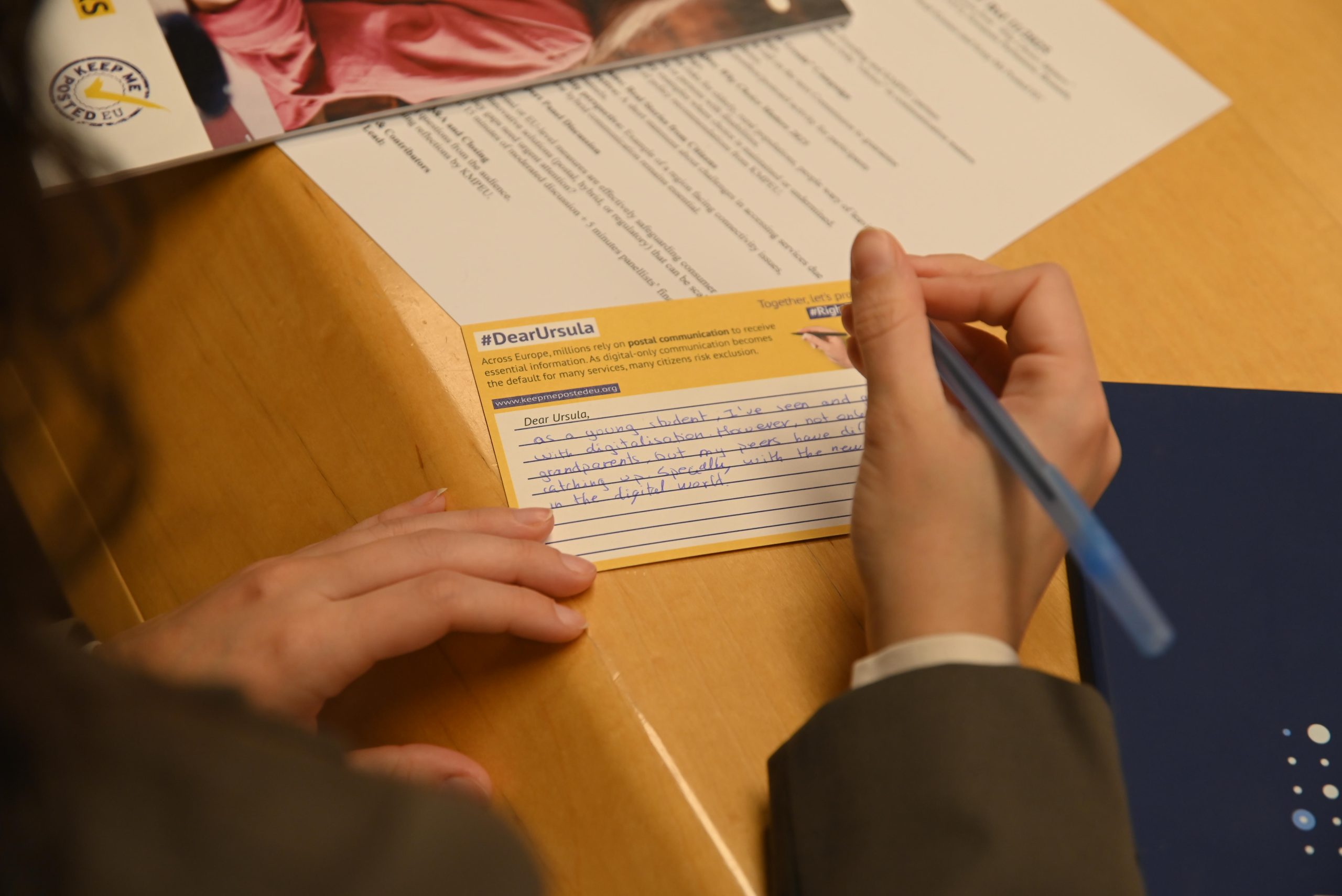
The event featured the launch of the #DearUrsula campaign, inviting participants to write handwritten postcards to President Ursula von der Leyen, President of the European Commission, calling for guaranteed access and choice in communication formats. The postcards symbolised participation and highlighted that many Europeans, including older citizens, residents of digitally underserved areas, persons with disabilities, and those conscious of their digital footprints, rely on printed communications to stay informed and connected.

Why Choice Matters – Report Launch

4 February 2025 — European Parliament, Brussels (Room SPINELLI 7H1)

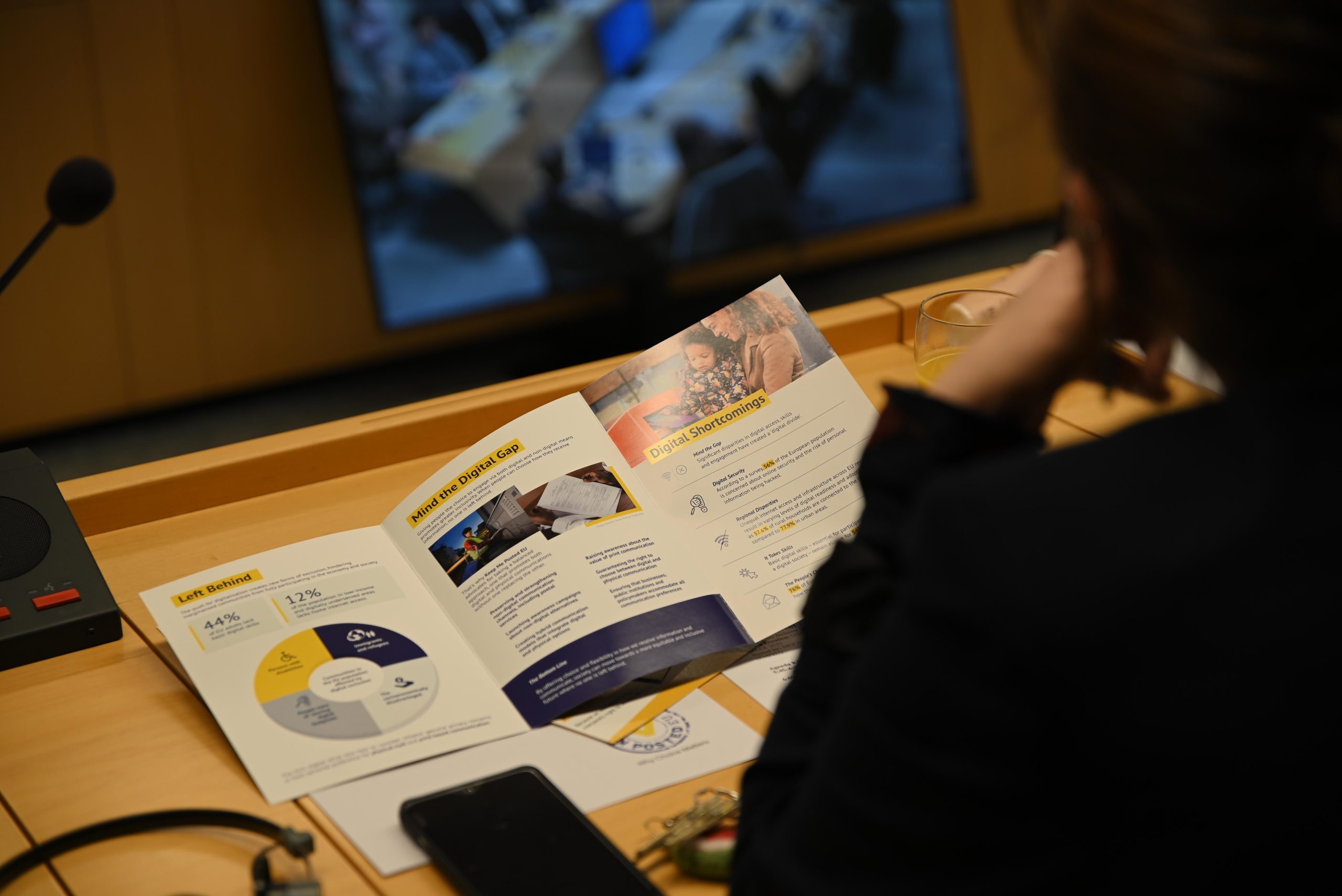
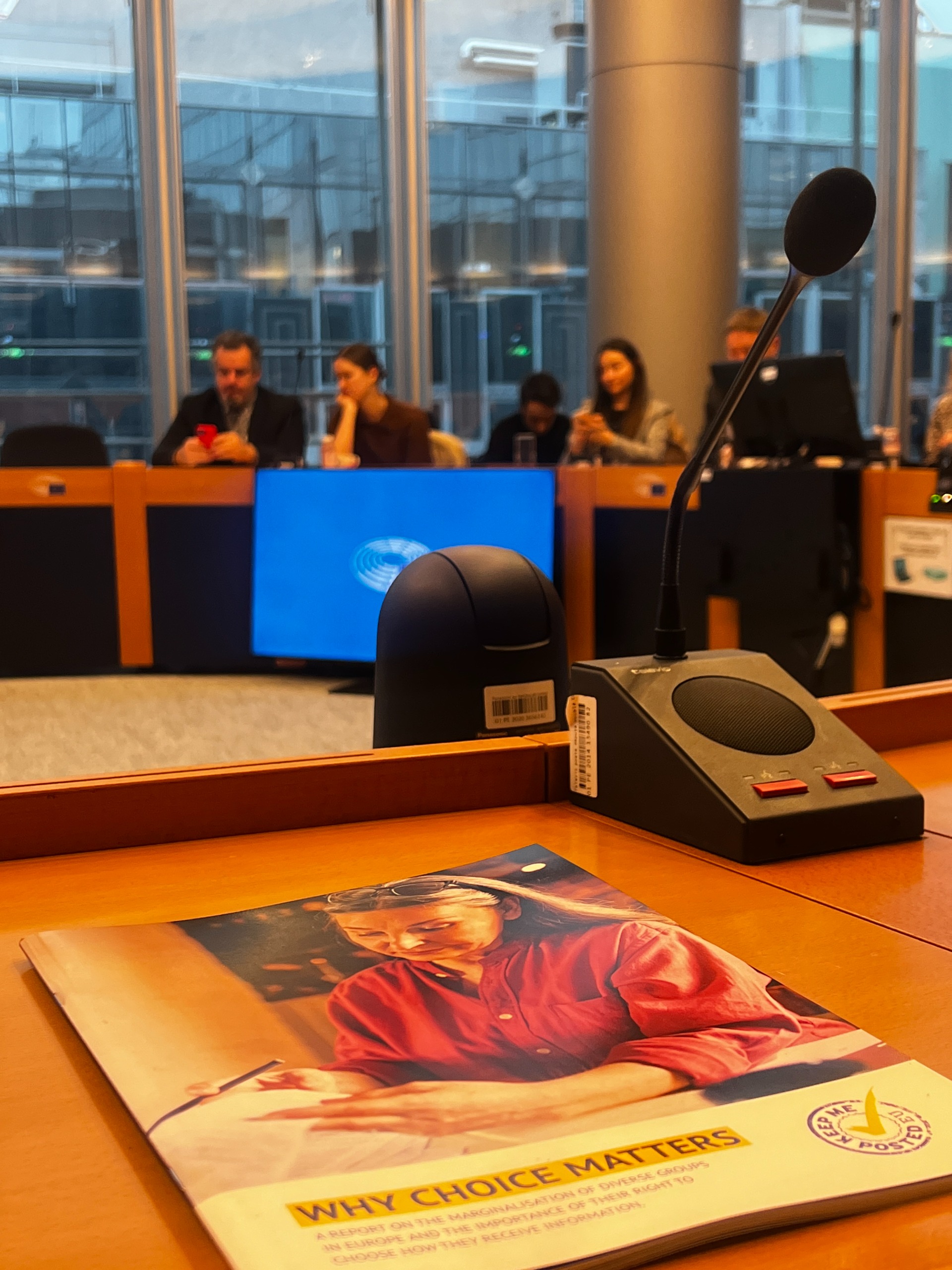
Hosted by MEP Sebastian Everding, this event presented the Why Choice Matters report, highlighting how digitalisation continues to create barriers for many citizens across Europe. The event outlined key findings from the report on digital exclusion affecting older adults, low-income households, rural communities, persons with disabilities, and individuals concerned about digital privacy. The discussion reinforced that digital exclusion is not only a technical issue but a matter of autonomy, accessibility, and communication rights, and emphasised the need to preserve access to non-digital formats alongside digital services, which ensure no one is left behind.

Gallery